
A classroom conversation about astrophysics helped Ishitha recognize her goal of becoming an astronaut.
TEEN PILOT · ADVOCATE · RESEARCHER · AUTHOR
Meet Ishitha Arekapudi
Founder of Sky Riders Gateway
A young pilot and future astronaut turning her experience in aviation into clearer pathways for the next generation.
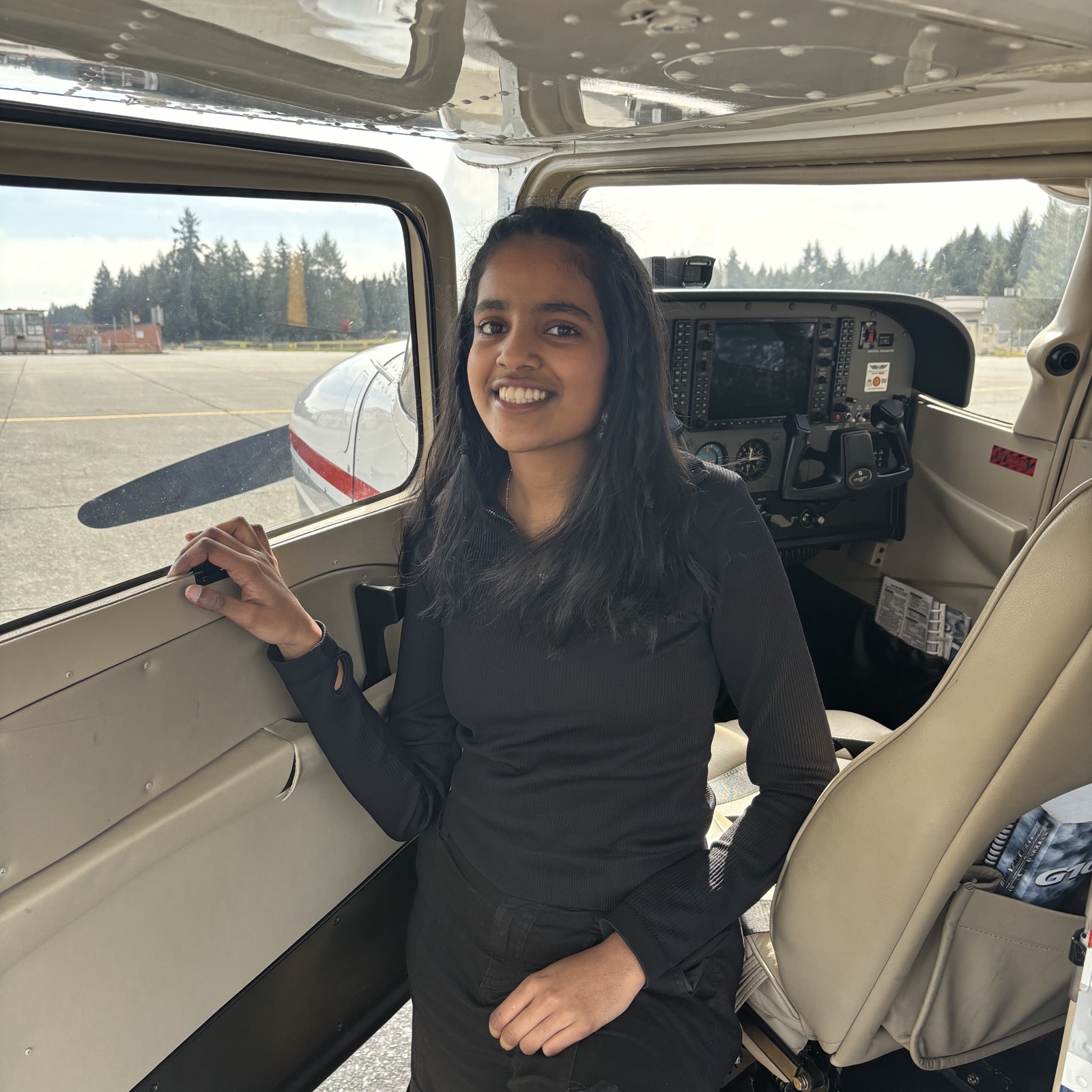
THE FOUNDER BEHIND GATEWAY
A Pilot Building the Gateway She Wished Existed
Ishitha’s path began with a passion for space and a Young Eagles flight at age 14. As she learned to fly, she also learned how difficult it can be for a young person to find trustworthy information, mentors, scholarships, and a clear place to begin.
Sky Riders Gateway transforms those lessons into a resource for others. Her goal is to make aviation and aerospace easier to enter, and easier for every young person to imagine themselves in.
Private PilotAuthorYouth AdvocateAerospace Researcher
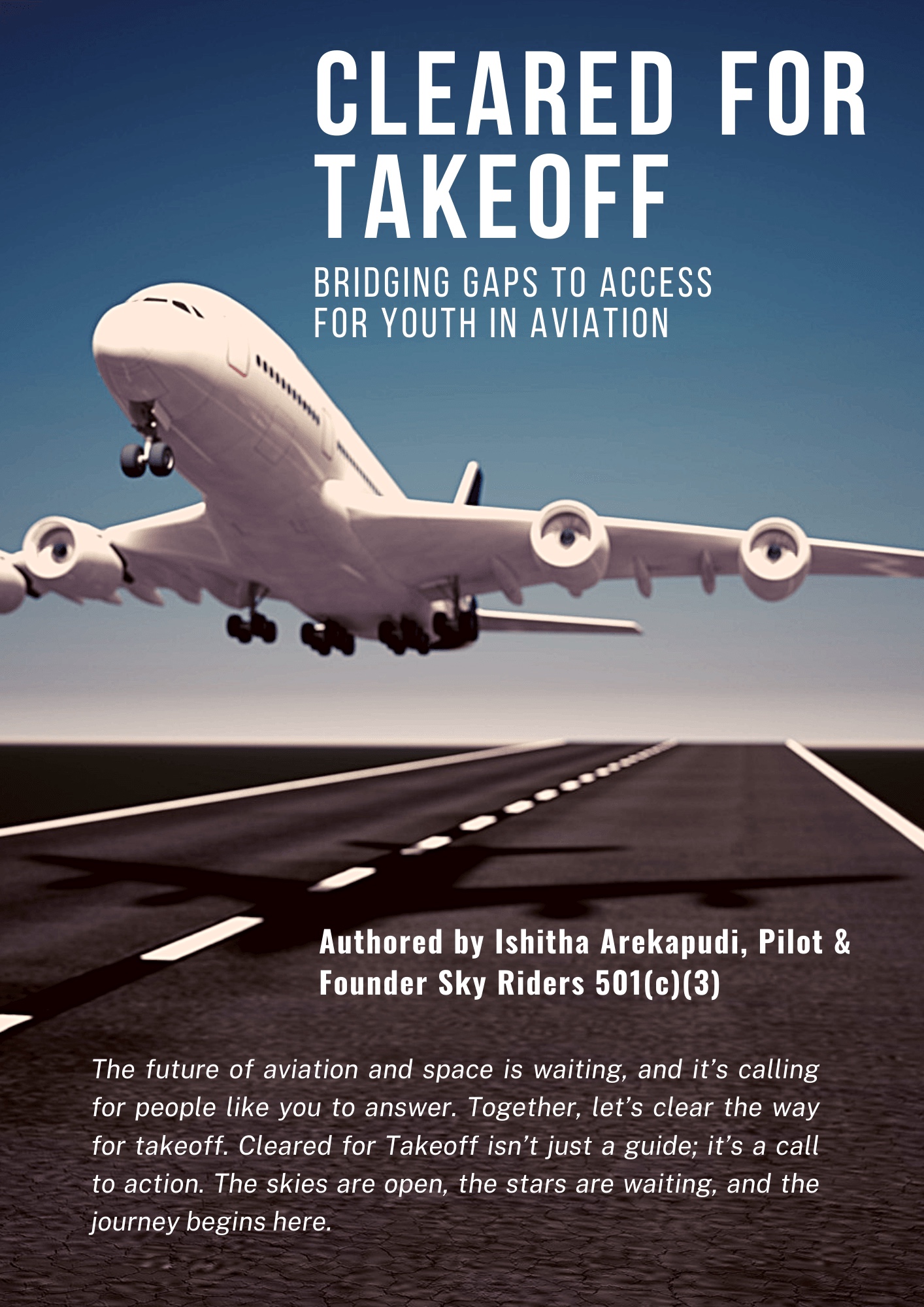
CLEARED FOR TAKEOFF
The book behind the Gateway mission.
Ishitha wrote Cleared for Takeoff: Bridging Gaps to Access for Youth in Aviation as a guide for students navigating paths into aviation and space. It brings together careers, organizations, scholarships, practical advice, and the lessons she learned while becoming a young pilot.
“The future of aviation and space is waiting, and it’s calling for people like you to answer.”Read the Excerpt & Buy →
MILESTONES BY AGE
Built in the Air, Then Built for Others
Each milestone strengthened Ishitha’s belief that access, guidance, and representation can change who feels welcome in aviation and aerospace.
A Young Eagles flight opened the door to general aviation and showed that flight training could begin much earlier than she imagined.
She soloed a glider after early mornings, winter training, study, persistence, and support from her aviation community.
She earned her private glider pilot certificate and continued building experience, mentorship, and scholarship knowledge.
She earned her airplane Private Pilot License and began working toward advanced training.
Sky Riders Gateway turns the lessons, organizations, and opportunities she gathered into a clearer starting point for other students.
Flying With Purpose
Ishitha began in aviation at 14 with a passion for space. Two years of consistent glider training led to her private glider pilot certificate at the youngest eligible age. Early mornings, weather cancellations, written and oral exams, and difficult setbacks taught her that progress in aviation is built through patience and persistence.
As an Irish-born Indian young woman, Ishitha has often been one of the only teen girls and one of the only people of color in aviation spaces. She uses her work to make the industry more visible and reachable for young people who may not yet see themselves represented in it.
MEDIA & PRESS
Featured Across Media
Selected outlets that have interviewed or featured Ishitha and her work in aviation, aerospace, and youth access.


CONNECT WITH ISHITHA
For media, speaking, and collaboration.
Connect with Ishitha about youth aviation, aerospace pathways, research, representation, the book, or the Sky Riders Gateway mission.
STAY CONNECTED
Follow what comes next.
Get occasional updates about Gateway, new opportunities, the book, and Ishitha’s work.